📍470484, Kisoro, Uganda
BLAF Tours and Travel

Gorilla Trekking / Uganda & Rwanda
Your Guide to Gorilla Trekking in Uganda & Rwanda
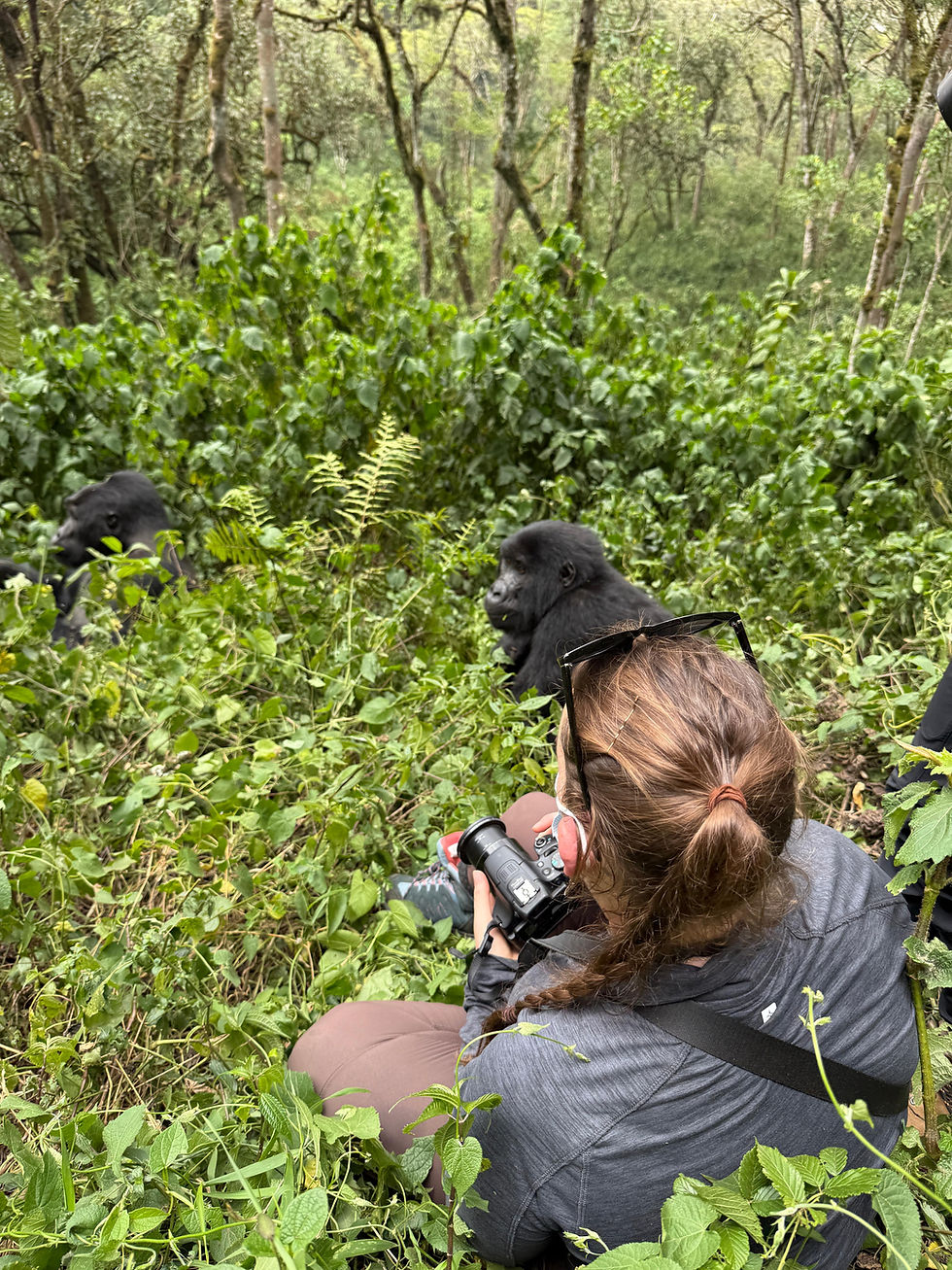
Experience the magic of trekking through misty mountain forests to see mountain gorillas in their natural home, in Uganda's Bwindi Impenetrable National Park or Rwanda's Volcanoes National Park. BLAF Travel & Tours creates personalised trips that pair these encounters with local culture and wildlife, on Uganda-only, Rwanda-only or combined Uganda & Rwanda itineraries. Gorilla permits are limited and must be booked in advance.
Bwindi (Uganda) or Volcanoes (Rwanda)?
Uganda – Bwindi: Uganda shelters over half of the world's remaining mountain gorillas within the ancient, mist-covered canopies of Bwindi Impenetrable National Park and Mgahinga Gorilla National Park, and pairs easily with savanna wildlife drives, chimpanzee trekking and cultural visits.
Rwanda – Volcanoes: Volcanoes National Park sits on the slopes of the Virunga volcanoes in northwest Rwanda, with bamboo and montane forest trails. It suits shorter trips and combines naturally with a Uganda itinerary across the border.
What to expect: treks range from a short walk to several hours on steep, muddy terrain, with up to one hour spent with the gorillas. Sightings are never guaranteed, as gorillas are wild. Permits are limited and booked in advance, and permit fees support conservation and local communities. We follow responsible tourism guidelines on every trek.

How to book your gorilla trekking tour
Booking your gorilla trekking holiday with BLAF Travel & Tours is straightforward. Start by sending us an enquiry with your preferred dates, group size and any other places you’d like to visit. We’ll suggest an itinerary and price based on your interests and budget, then refine it with you until it’s exactly right. Once you’re happy, we secure your gorilla permits and accommodation, then take a deposit to confirm your booking. Your final balance is usually due several weeks before travel, and we’ll stay in touch to help you prepare for your trip. Please see our 'How To Book' page for details.
Frequently asked questions
How much does gorilla trekking in Uganda cost?
For a 3–4 day trip, visitors usually budget between US$1,500 and US$2,000. It is helpful to know that the gorilla permit is the most significant single expense. Because this fixed cost is already covered, extending your stay by a few days to explore more of Uganda’s beauty is surprisingly affordable and offers much better value for your overall journey. We will provide a clear, friendly quote tailored to your plans.
How many days do I need for a gorilla trekking holiday?
We recommend at least 3 days for a gorilla trekking holiday in Uganda: one day to travel to the park, one day for your trek, and one day to return. Many guests choose 4–7 days so they can add extra activities such as forest walks, community visits or a second gorilla trek.
What should I pack for gorilla trekking?
Essential items include sturdy waterproof hiking boots, long trousers, a long-sleeved shirt, lightweight rain jacket, gardening gloves for gripping vegetation, a small daypack, refillable water bottle and snacks. Don’t forget sunscreen, insect repellent and any personal medication.
Is gorilla trekking difficult?
Trekking involves hiking through dense forest on uneven, sometimes steep and muddy trails. Most reasonably fit travellers can complete a trek, but the difficulty varies depending on where the gorilla family is that day. Your guides will set a steady pace and there are porters available to help carry your bag.
Are you guaranteed to see gorillas?
While sightings are never 100% guaranteed because the gorillas are wild and free to move, success rates in Uganda are very high. Experienced trackers go out early to locate the families and stay in radio contact with your guides to give you the best possible chance.
When is the best time to do gorilla trekking?
Gorilla trekking in Uganda is possible all year round. The drier months (roughly June–September and December–February) usually offer easier hiking conditions and slightly clearer forest trails. The wetter months can mean muddier paths and heavier showers, but the forests are at their greenest and there are often fewer visitors. Because gorilla permits are limited and in high demand, it’s best to book at least 6–12 months in advance for popular dates, especially around school holidays.
Do I need a visa for Uganda?
Yes, most international visitors require a visa. Many travellers apply online for an e-visa before arrival. We’ll let you know the latest visa guidance for your nationality and help you plan your documents in good time.
What are the age restrictions for trekking?
The minimum age for gorilla trekking in Uganda is 15 years. This is to protect both the gorillas and younger travellers. Families with teenagers are very welcome, and we can help you plan a pace and itinerary that suits everyone.

Relevant Itineraries
Gorilla Trekking Itineraries
Ready to meet the mountain gorillas? Explore our existing itineraries that include gorilla trekking. Every route can be tailored to your dates, budget and travel style.
Explore some of our itineraries below...
BEFORE YOU TREK
Permits & Preparation
Whether you trek in Bwindi, Uganda, or Volcanoes National Park, Rwanda, a little planning makes your gorilla encounter smoother and more meaningful. Sightings are never guaranteed, as gorillas are wild animals.
🎟️
Advance Permits
Gorilla permits are limited and must be booked in advance for both Uganda and Rwanda. Contact us early so we can help secure permits for your preferred dates.
🥾
Preparation
Treks can be steep, muddy and vary in length. Bring sturdy waterproof boots, long sleeves, a rain jacket, gloves, water and snacks, and expect to walk at altitude.
🌿
Conservation
Permit fees support gorilla protection and local communities. Follow your ranger's guidance, keep your distance, and travel responsibly to help protect these forests.